






Car Down Payments: Are They Necessary?
Do You Need a Car Down Payment?
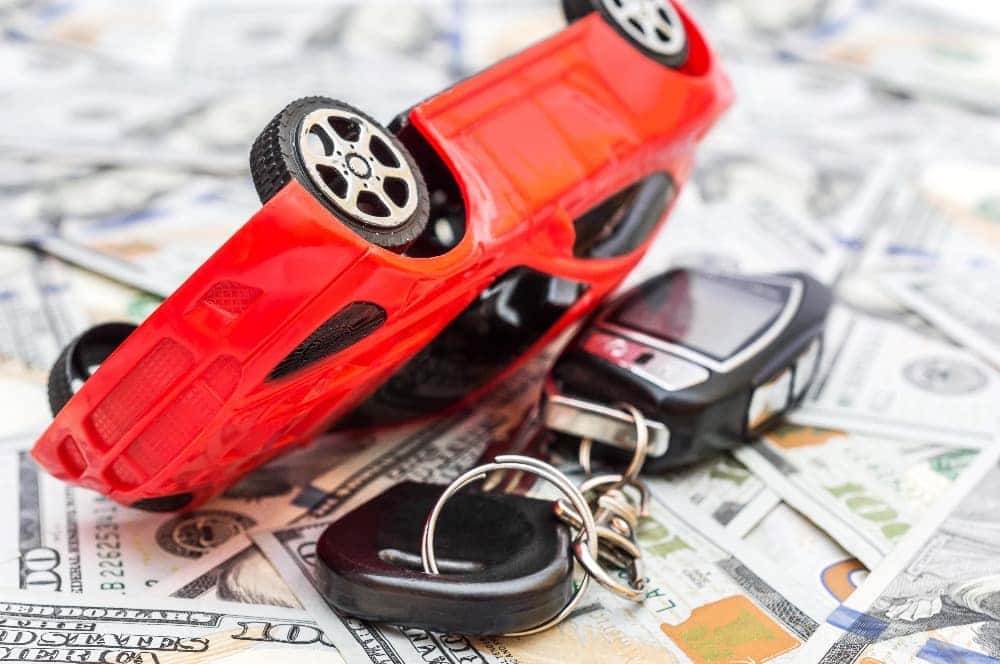
While it is possible to buy a car without a down payment, it may not be the smartest financial decision to make. Unless you’re planning on trading in your current vehicle for a new one, skipping out on the down payment could cause you to have higher monthly payments.
To avoid higher costs overall, you’ll want to learn about car down payments and why they’re an important part of the car buying process. Continue reading to learn if paying a car down payment is the right financial move for you!
What is a Car Down Payment?
A down payment on a car is a percentage of the total price of the car that you pay at the time of purchase. For example, if you want to buy a car that’s $20,000, then a 20% down payment would be $4,000 which leaves only $16,000 left for you to pay off.
It’s possible to make a down payment without having any money actually withdrawn from your bank account — this is called a trade in. When you buy from a dealership, you can trade in your older vehicle to put down money for your new one. Using the example above, if your older vehicle’s trade in value was $5,000, you can use that money to make a 25% down payment on your new car.
The amount of money that you can afford for your down payment will affect your loan significantly. Your down payment amount can be the deciding factor for things like the interest rate you will pay, the amount of your monthly payments, and the length of your loan. The bigger the car down payment you’re able to make, the less debt you will have in the long run.
Down Payment or No Down Payment?
It’s important to realize that when you buy a car, you’re not just paying for the price of the car. The sticker price can be deceiving, as there are additional costs, such as; sales tax, dealership fees, and financing charges.
If you choose not to make a car down payment, these charges will be added to the amount that you’re financing. For example, if you buy a $20,000 car with no down payment, after the taxes and fees are calculated you may end up financing that car for $23,000. This becomes an issue when your car begins to depreciate. Once you drive it off of the dealer’s lot, your new car will significantly lose value. So the $20,000 car that you financed for $23,000 is now only worth about $18,000. This is called being “upside down” on your loan — meaning you owe more money than your vehicle’s worth. Making a significant down payment can protect you from that becoming a reality.
How Much of a Car Down Payment Do I Need?
Although there is no “right” amount to put down as a down payment, buyers typically will save at least 20% of the purchase price to pay a down payment on a new car. There are several factors that can influence how much you should put down, such as:
- Whether you’re buying a new or used car
- Your credit score
- Age of the vehicle
Can I Still Buy a Car Without a Down Payment?
Buying a car doesn’t automatically translate into needing a down payment. In fact, some dealers will offer $0 down specials for those with a good credit score. There are also financing options through dealerships, banks, or credit unions.
Many car buyers will opt to finance through the dealership they are purchasing from, just because that is the easiest option. However, if you don’t plan to finance through a dealership, you should consult various banks or credit unions to discover different loan terms. Once you find an offer you like, you should get pre-approved for a loan. Getting pre-approved for a loan can help you save money by allowing you to compare loan offers and allows you to have more negotiating power during the buying process.
Alternative Down Payment Options
- Increase your credit score: Good credit can open up a world of possibilities when it comes to your finances. If you’re not in the position to provide a down payment, you should definitely consider trying to raise your credit score before you buy.
- Discuss a trade-in: Like we mentioned above, a trade-in is a great option to put up a down payment without having to actually see money come out of your account. If you have no use for your old car, consider trading it in to your dealer to save yourself some money!
- Ask about available rebates: A car rebate is the return of cash to the buyer for agreeing to purchase a vehicle. You should negotiate a rebate with your dealer so you can use it as a car down payment.
Find and Finance your Next Car At M&L
We hope that this blog serves as a helpful guide as you begin your journey to purchase a new car. At M&L Chrysler Dodge Jeep Ram, we offer competitive financing rates on our vast selections of cars, trucks, and SUVs! Use the button below to get in contact with our dealership so we can get you into your dream vehicle!
0 comment(s) so far on Car Down Payments: Are They Necessary?