







Why You Should Always Keep Your Gas Tank Full (7 Key Reasons)
Is It Bad to Drive on Low Gas? Here’s What It’s Actually Doing to Your Car
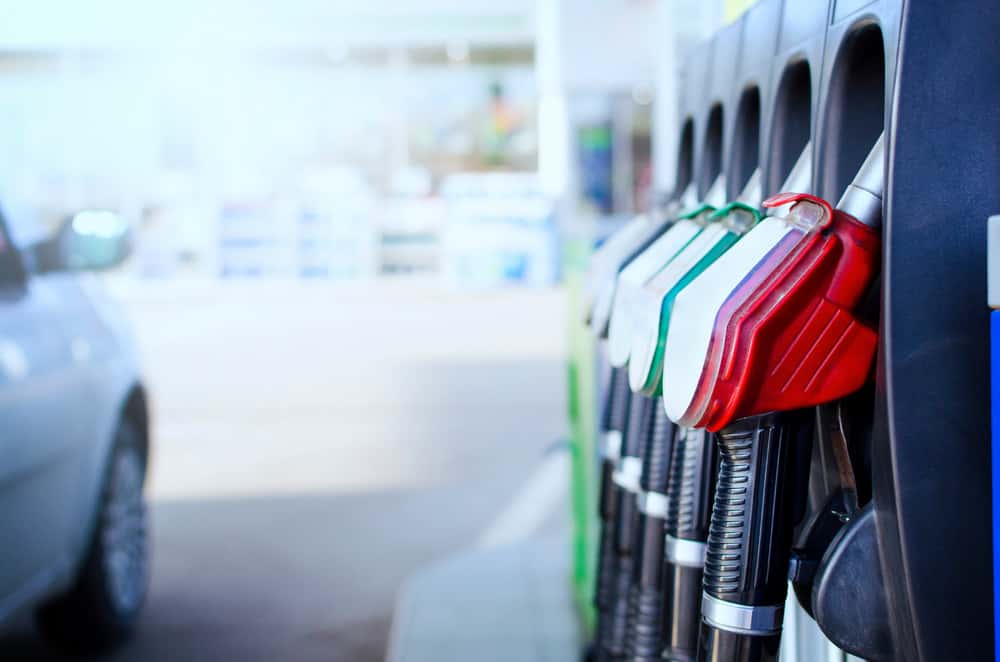
Running your gas tank low might seem harmless, but it puts real wear on your vehicle and creates safety risks most drivers don’t consider. At M&L Chrysler Dodge Jeep Ram in Lexington, NC, it’s one of the most common things our service team flags—and one of the easiest habits to fix. Whether you’re commuting daily or taking long stretches on the highway, keeping your tank at least half full protects your fuel system, saves money over time, and keeps you out of dangerous situations. Here are seven reasons to make it a habit.
1. Empty Tank Space Creates Condensation in Your Fuel Tank
That “empty” space above your fuel isn’t actually empty—it’s filled with air that contains water vapor. When temperatures fluctuate, that vapor condenses on the inner walls of your fuel tank. On metal tanks, this leads to rust and corrosion. On any tank, it allows water to mix with your gasoline, which can interfere with combustion and cause performance issues over time.
2. Low Fuel Accelerates Wear on Your Fuel Pump
Your fuel pump is designed to remain submerged in gasoline, which helps keep it cool during operation. When fuel levels drop too low, the pump begins drawing in air instead, causing it to overheat and wear out faster. Fuel pump replacement is an expensive repair that’s largely avoidable with consistent fueling habits.
Low fuel levels can also clog your fuel filter, allowing sediment and debris to reach your fuel injectors. While newer vehicles with plastic tanks are more resistant to this than older metal-tank models, running on empty is hard on any fuel system, regardless of vehicle age.
3. Cold Weather Can Freeze Fuel Lines in a Low Tank
During the winter months, a low fuel tank increases the risk of a fuel line freeze. When there’s more air space in the tank, moisture can accumulate, and in freezing temperatures, it can ice up your fuel lines, causing your vehicle to stall or fail to start. This applies to both older and newer vehicles, though modern sealed fuel-injection systems do offer additional protection.
4. Summer Heat Puts Extra Strain on a Low-Fuel Tank
Cold weather isn’t the only season that puts fuel systems under stress—summer heat presents its own set of issues. High temperatures cause fuel to expand and contract inside the tank, and a partially empty tank gives vapors more room to build up pressure. Most modern vehicles have evaporative emission control systems (EVAP) designed to manage this, but consistently low fuel levels can stress those components over time. Keeping your tank fuller during the summer months reduces thermal stress on your fuel system during the hottest time of year.
5. A Full Tank Can Improve Fuel Efficiency
It’s a common assumption that less fuel equals less weight and better efficiency — but the opposite tends to be true in practice. A fuller tank leaves less air space, which slows the rate of fuel evaporation. Less evaporation means more of your fuel actually powers the vehicle rather than escaping as vapor, which contributes to better miles per gallon over time.
6. Keeping Your Tank Full Saves Time and Reduces Costs
Traffic, detours, road closures, and unexpected delays are part of driving, and they all burn fuel. Drivers who routinely run their tanks low are more likely to make emergency fuel stops, arrive late, or get stranded. Filling up when you’re not pressed for time and when you spot lower prices at the pump helps you avoid paying premium prices at inconvenient moments. It also reduces the long-term repair costs associated with fuel system wear.
7. Running Out of Gas Creates Serious Safety Hazards
If your vehicle runs out of fuel at highway speeds, power steering and power brakes lose assist simultaneously—making the vehicle significantly harder to control. Even if you manage to pull over safely, you’re then on foot near traffic, often in poor conditions.
In summer specifically, being stranded with an empty tank is a genuine health risk. Interior temperatures in a parked car can exceed 130°F within minutes on a hot day. Without fuel, there’s no AC and no way to keep the vehicle ventilated while waiting for help. That’s especially dangerous for children, elderly passengers, or pets.
Simple Maintenance Habit, Long-Term Payoff
Keeping your gas tank full is one of the lowest-effort preventative maintenance steps you can take. It reduces strain on your fuel pump and filter, protects against both cold- and heat-related issues, and eliminates a category of safety risk entirely.
For more vehicle maintenance tips or to browse current inventory at M&L Chrysler Dodge Jeep Ram in Lexington, NC, visit us online or stop by the dealership.
0 comment(s) so far on Why You Should Always Keep Your Gas Tank Full (7 Key Reasons)